KURATED NO. 259
CBC RADIO’s IDEAS
The Rhythm Section: How Beats and Grooves Define Us

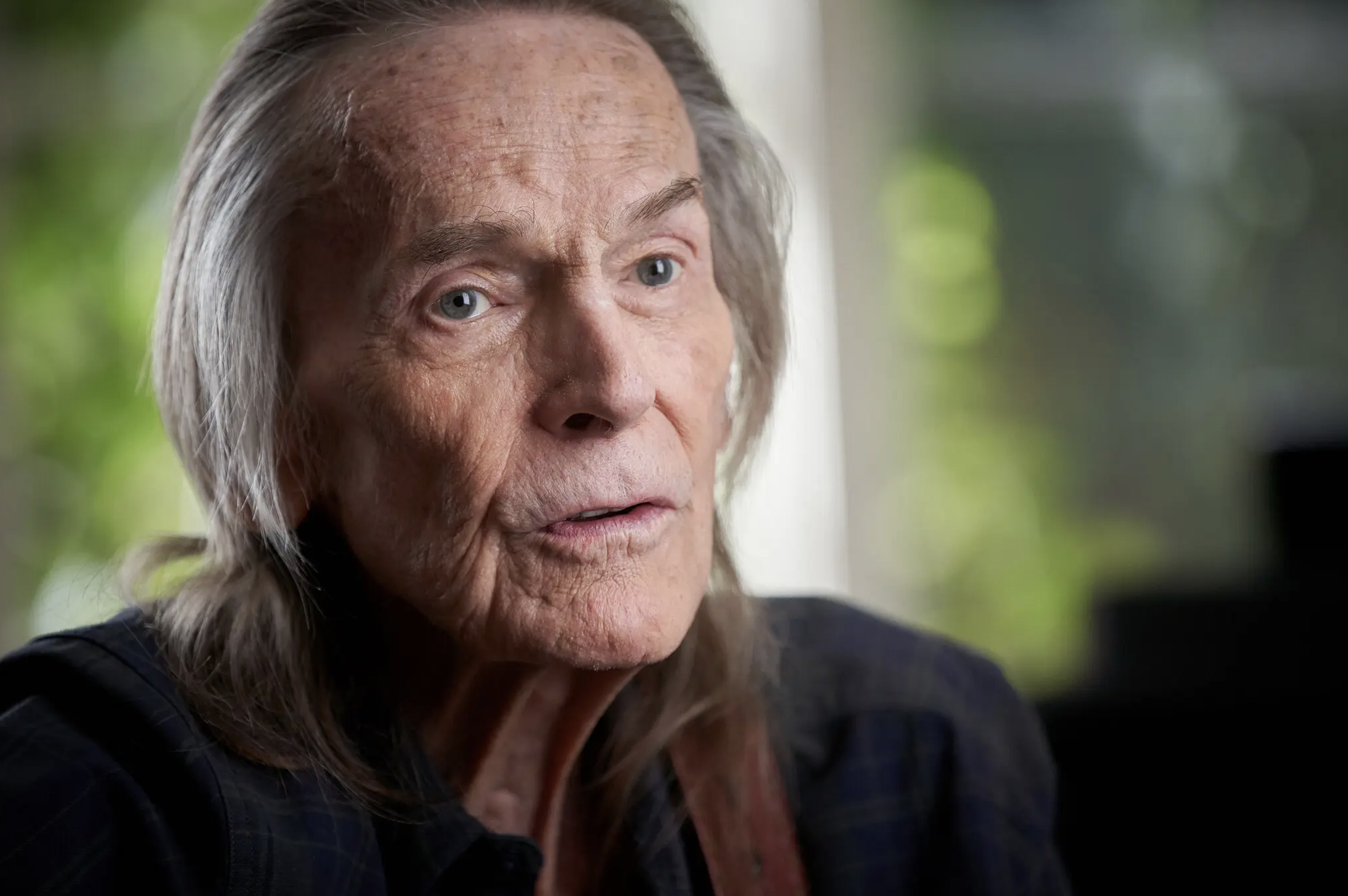
American drummer Brian Blade has played with everyone from
Joni Mitchell to Harry Connick Jr., Norah Jones, Daniel Lanois and more.
On the playlist you’ll hear him on I’d Rather Go Blind and Embers.
CONTENTS
- PODCAST
The Rhythm Section: How Beats and Grooves Define Us
CBC Radio’s Ideas with host Nahlah Ayed (53 mins) - PLAYLIST
Beats and Rhythm: A 22-song collection on YouTube and Spotify - VIDEO
Snowball the amazing dancing cockatoo demonstrates 14 distinct dance moves - TRACKLIST below

Scotland’s Dame Evelyn Glennie is considered to be the first person to have a full-time career as a solo percussionist. Profoundly deaf since age 12 she is a towering figure in the world of percussion. She plays Eko with Michael A. Levine on the playlist.
BORN TO THE RHYTHM
Our brains on music
Life starts with the beat. And it ends without it. In between we learn that rhythm is life. Inside the womb we feel the intimate pulse of our mother’s heart. Outside it we come to know that our being is deeply intertwined with ever present rhythms urging us on.
When I think of rhythm I think of music. Little did I know that the neuroscience of musical processing reveals a far wider scope. Circadian rhythms, for example, are the body’s 24-hour cycle regulating physical and mental processes. Beyond that we learn to walk, run, talk, read and even bond with others thanks to rhythm.
Today’s Kurated post features a fascinating CBC Radio Ideas instalment called The Rhythm Section: How Beats and Grooves Define Us which I heard earlier this fall.

Nigeria’s Tony Allen helped develop the Afrobeat sound with Fela Kuti. Hear him play on Home Cooking and Obama Shuffle Strut Blues with Hugh Masekela.
Why do we all get up and dance?
“Music is being used to manipulate our emotions, and we tend to accept, if not outright enjoy, the power of music to make us experience these different feelings,” writes a bemused Daniel Levitin, musician, author and award-winning neuroscientist who studies music and the brain. He’s kept company with artists like Stevie Wonder, Santana and former Police drummer Stewart Copeland and authored a book called This Is Your Brain On Music. He also features in the CBC radio broadcast.
What gets us dancing he says is partly a combination of taste, tempo and beat. Stevie Wonder’s 1973 Number One hit Superstition regularly ranks as a dance floor favourite. Levitin worked with Wonder and explains: “One of the amazing things about that track – you can hear it at the beginning before all the instruments come in – Stevie’s playing the drums on this. Stevie’s a fabulous drummer,” he says. “If he did nothing else he’d be one of the best drummers in the world,” an assertion Levitin shares with many others.
He explains that the song’s opening beat in the hands of another drummer would have none of the nuance and complexity Wonder applies.
“What Stevie does … when he’s playing on the high hat he’s constantly varying where he puts the stick on the cymbal and the way he uses the stick, the angle, the positioning and the force that he uses … so he’s coaxing hundreds and hundreds of different tones out of what would ordinarily be the normal, vanilla rhythm. And then, he’s also varying the rhythm … he’s playing around with it and throughout the song and he does that on every instrument he plays!”
“I think what contributes to the groove is that sense that there’s so much going on within the constraint of a rhythm and a beat and a tempo … there are all these layers that your brain can engage with at even a subsconscious level and it draws you in.”
“We like the predictability of a steady rhythm and that allows our ears to concentrate on other aspects of the music … we like the variability that Stevie puts in because it’s rich and challenging and stimulating to the brain … it’s ear candy.”
In his book Levitin delves into the science: “Listening to music starts with subcortical (below-the-cortex) structures—the cochlear nuclei, the brain stem, the cerebellum—and then moves up to auditory cortices on both sides of the brain.” Indeed, hearing and understanding music is a complicated process.
Levitin names some key elements that combine to help make a musical experience. Three basics are rhythm, meter and tempo. While related they are distinct: rhythm references the lengths of the notes; tempo refers to the pace of the music and meter is the regular pattern of strong and weak beats that organizes rhythm into measures.

Sister Karen and brother Richard were The Carpenters – a popular duo in the 70s. Karen Carpenter was a pioneer respected as an accomplished jazz drummer, a role that few women in popular music played. Hear her play Dancing in the Street on the playlist
Some of what you’ll find out in this podcast
The Ideas podcast covers a lot of ground in a short time while introducing top neuroscientists sharing insights, research and theories:
• Studies show that we respond to the optimum beat for dancing which is 120 beats per minute
• Runners often train with music under the headphones. Research demonstrates that if the beats are slowly raised, running speed will increase
• Children remember and respond to the music they heard in the womb
• Parkinson’s patients show clear improvements when exposed to music they like. Rhythm-based music improves movement as well as speech and mood
• Humans aren’t the only beings that can learn to dance. The “vocal learning” hypothesis suggests that creatures who can vocalize by learning to imitate sounds can draw on both auditory and motor systems in order to dance.
• Snowball, the amazing dancing cockatoo went viral in 2007 demonstrating 14 distinct dance moves
There’s plenty more to find out. Click here to start listening.
Kurated is tuned in

26 June 2026
29 November 2025
Playlist
This 22-song playlist is more of a sampler than a soundtrack. It features an array of rhythm-based musical genres and countries over several decades. Artists include Missy Elliott, Tony Allen, Evelyn Glennie, Nicolas Jaar, Trixie Whitley, Brian Blade, The Carpenters, The Pretenders, Prince, Marvin Gaye, Bob Marley, Erykah Badu, Sister Sledge and more.