KURATED NO. 274-1
LATEST RELEASE
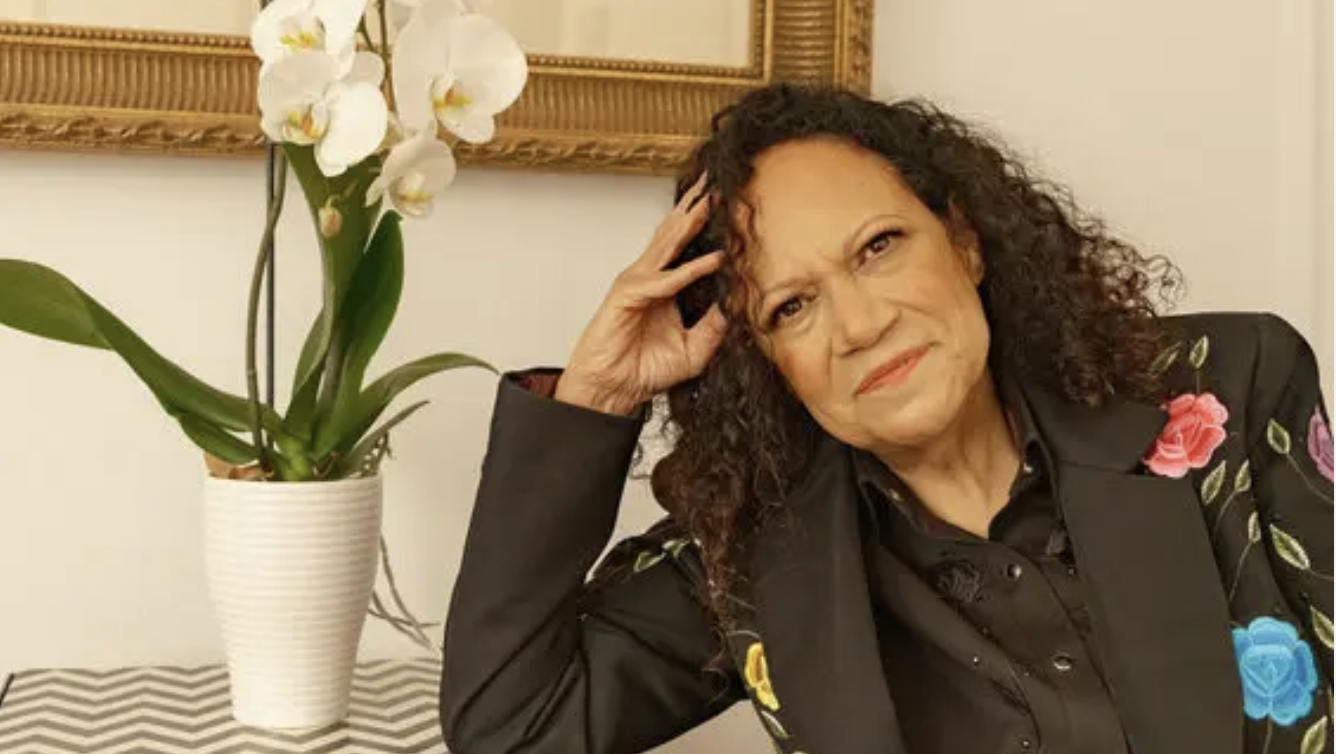
Appalachia by Emily Scott Robinson

- VIDEO PLAYLIST: Live versions of Appalachia and Hymn for the Unholy on YouTube
- ALBUM PLAYLIST on YouTube and Spotify
- APPALACHIA: THE LYRICS
- INTERVIEW: Colorado Public Radio: Emily Scott Robinson (27.17 mins)
- WEBSITE EmilyScottRobinson.com

“There’s this thing I do with every record I make. I knit a prayer into it, and I ask for all these songs to find their way to everyone who needs them. I ask these songs to help people find and experience joy. If my music can do that, I’ll die happy.” ~ Emily Scott Robinson
A PURE VOICE FOR THE HARD TIMES AND THE GOOD
“I don’t want people to give up hope in this time in history or this time in our country.”
A voice as pure as Emily Scott Robinson’s is rare. She lends it with aching clarity to songs about everyday life. Her roots are in Appalachia – her heart and soul close to home and family. Hard times and overcoming them are a way of living – things her music and lyrics examine.
“If you make music that you love that tells the truth, or that tells a story, everything emanates from what you have inside,” she says.
Now five albums into a recording career launched in 2016, she blends a range of genres from country to folk and Americana, bluegrass and more. Appalachia is her latest and the third with Oh Boy, the late John Prine’s record company now run by his wife and stepson.
Robinson effectively uses some older Anglo-American folk traditions with formal turns of phrase and lyrical elements like rhyming couplets. But the tenor leans more to Americana ballads.
Raised as a Presbyterian in North Carolina her tunes also share religious overtones. “Church was part of all of our childhood,” she told Colorado Public Radio (CPR). ” … throughout my catalogue I’ve used of lot of that language and symbology.
“I’ve used religion as something to kind of push against – and work with – as an adult now who is no longer a religious person or no longer in the church, but she admits that while she is no longer in the church the church is in her.”
The unique mix of her sound benefits from the dexterous touch of producer Josh Kaufman a co-founder of Bonny Light Horseman who has also worked with Taylor Swift and the Grateful Dead’s Bob Weir. Listeners may also hear hints of fellow Appalachian Dolly Parton.

Robinson wrote eight of the album’s 10 tracks. She co-wrote The Fairest View with Lizzy Ross and the Water is Wide is a traditional tune.
10 tracks of empathy and resilience
Appalachia’s 10 tracks are intimate and wise. They explore mystery and not knowing, working class struggles, love and support from family, the power of community, trouble paying the rent and cursing the rich who decimate rural lands. These vignettes are warm with empathy and compassion while mixed with resilience and strength.
The evocative opening track, Hymn for the Unholy, is a wondering query written on the cusp of a New Year’s Eve ushering in changed circumstances and Robinson’s divorce.
She writes:
“And I’ve done every single goddamn thing I swore I’d never do
Here’s a hymn for the unholy, for the savage and the true
You have only got one life, dear, heed the voice that calls to you”
Other songs address her grandmother’s dementia and death, the scene at the local Dirtbag Saloon and how community pulled together in the face of 2024’s Hurricane Helene in North Carolina.
The poignant Time Traveler gently honours her grandmother’s rearranged chronology encompassing her present and past:
“Now everyone you’ve ever loved is here with you
Your mama and your sisters, and your papa, too
Ancestors and angels all around the room
And I see the thinning veil that you’re passing through“
Country-tinged Dirtbag Saloon is a salute to a diverse crew of rural residents – the “miners and ranchers, rednecks and hippies, hotshots and cowboys, poets and lefties” – who live in the country even as they observe its potential demise:
“And if it ain’t gone yet, it’s going soon
Get your last round in at the Dirtbag Saloon
The rich folks are squeezing us right outta room
If it ain’t gone yet, it’s going soon”
The title song Appalachia was inspired by the stories of resilience following Hurricane Helene, which devastated Western North Carolina in September 2024. The song focuses on a mother and her determination to persist. “The song is less about what we can control and more about how we can care for one another,” Robinson says. “We’re so much stronger when we have a community. Then we have hope.”
Robinson is an artist with purpose and an intrinsic sense of caring for her fellow humans. “I want this record to be of service to people. I want it to reach them in ways that they need to be reached.
I don’t want people to give up hope in this time in history or this time in our country. I don’t want them to give up hope in themselves and each other,” she told online publication thebluegrasssituation.com
She is a quiet and forceful firebrand unafraid to name what’s wrong in our society and call out those responsible. “I think we’re increasingly in an engineered social media landscape that has a lot of voices that say there’s no hope; there’s no reason to fight, it’s too late. And I think the social worker in me and the political activist in me wants to yell, “That’s fucking bullshit!”
And she’s right.
Kurated is tuned in

26 June 2026